

When a Design System Starts Paying for Itself
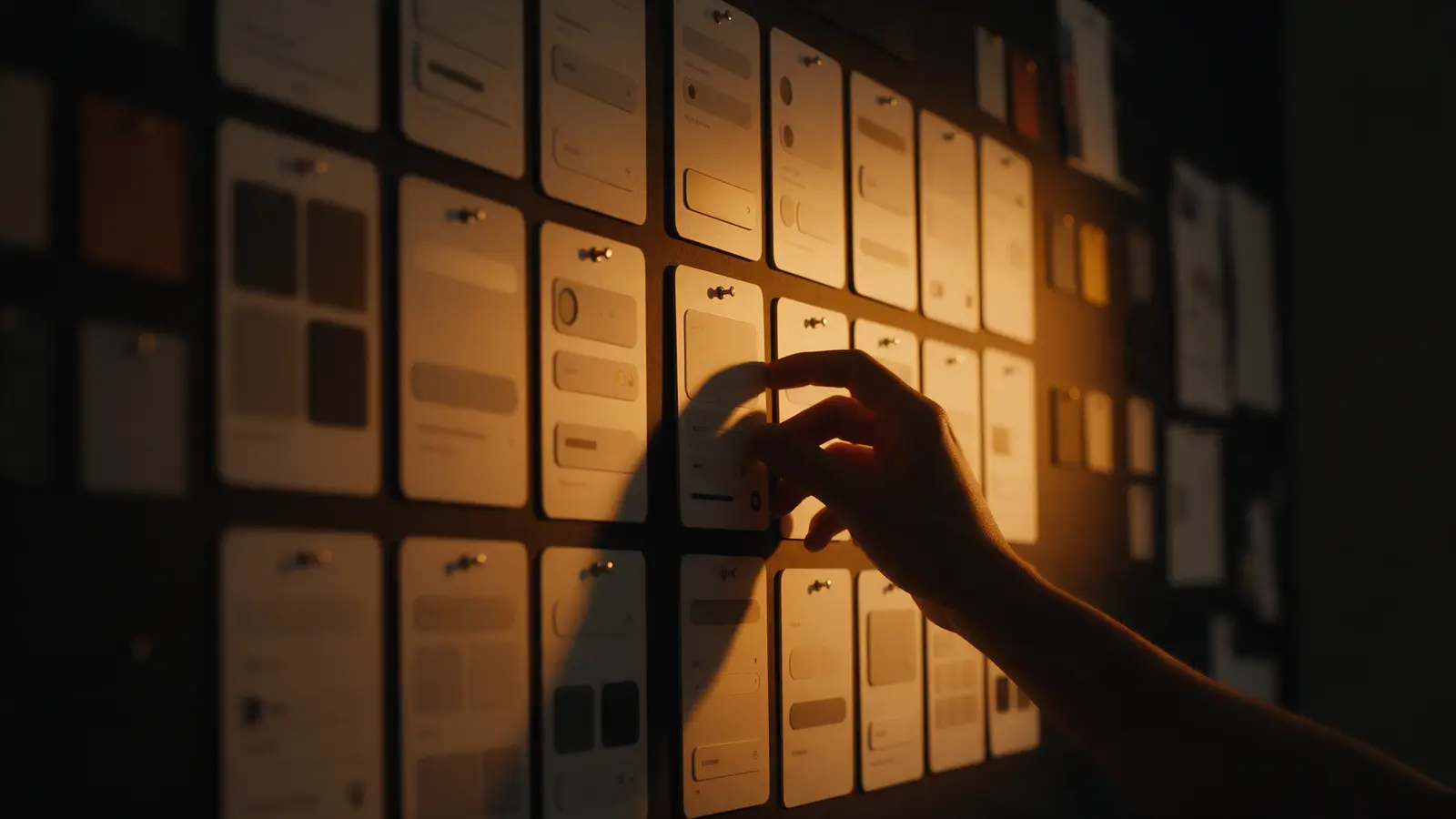
A design system is a reasonable thing to want and an easy thing to over-build. Plenty of small teams have spent a quarter producing documentation nobody opened, and plenty of larger ones are still paying for the absence of one in ways they have stopped noticing.
The useful question is not whether you need a design system. It is whether you are currently paying the cost of not having one.
The symptoms that actually matter
- The same button exists in four slightly different sizes and nobody can say which is correct.
- A colour change takes a developer an afternoon of searching rather than one edit.
- New pages look subtly unlike the old ones, and the difference is hard to name but easy to see.
- Designers rebuild components from scratch because finding the existing one takes longer.
- Two people give different answers to “what is our heading size”.
One of these is normal. Three of them is a tax you are paying every sprint.
Start with tokens, not components
The highest-leverage first step is not a component library. It is naming your decisions: colours, spacing steps, type sizes, border radii, shadow levels. A short list, defined once, referenced everywhere.
This is unglamorous and it is where most of the value lives. Tokens make a rebrand a configuration change instead of an excavation. They also settle arguments, because the question stops being “what blue” and becomes “which of our three blues”.
Then the five components you actually repeat
Resist the catalogue. Look at your product and find the handful of things that appear on nearly every screen. For most sites that is a button, a form field, a card, a heading block and a call-to-action section. Build those properly, with their states, and stop.
A system of five well-made components that the team actually uses beats forty that exist in a file nobody opens.
Documentation is a side effect, not a deliverable
If a component needs a paragraph of explanation before anyone can use it correctly, the component is wrong. Fix the component. The best documentation most small teams will ever have is a single page showing every component in every state, kept live, so that looking is faster than asking.
The threshold
A rough rule: when more than one person is producing interface, and the product will still exist in two years, tokens pay for themselves almost immediately and a small component set pays for itself within a couple of releases. Below that, a tidy file and some discipline is genuinely enough, and anyone telling you otherwise is selling something.
Shall we make this happen for your brand?